
Let’s be honest—most people don’t fail at print-on-demand because their designs suck. They fail because they pick the wrong platform.
You can upload 500 designs and still hear crickets if the platform doesn’t have built-in traffic or favors new creators. Meanwhile, someone else uploads 10 decent designs on the right marketplace and starts getting sales within weeks.
So if you’re searching for the best POD platforms that are easy to make sales on in 2026, what you really want is this:
Platforms where you don’t need ads, a big audience, or insane luck to get your first sales.
That’s exactly what we’re breaking down.
What “Easy to Make Sales” Actually Means
Before jumping into platforms, let’s define this properly.
A platform is “easy” if:
- It already has organic traffic
- It allows new sellers to get visibility
- It doesn’t require paid ads to start
- The audience is buy-ready (not just browsing)
If a platform requires you to bring your own traffic (like Shopify), it’s not “easy”—it’s scalable, but not beginner-friendly.
1. TeePublic — Still One of the Easiest Wins (If You Play It Right)
If you’re starting from zero, this is still one of the fastest ways to get your first sale.
Why it works:
- Massive organic traffic
- Strong SEO presence (your designs can rank on Google)
- Constant discounts → more impulse buyers
- New designs sometimes get temporary visibility boosts
The catch (and this is important):
TeePublic is saturated with generic trash.
If you upload:
- “Cool skull”
- “Funny quote”
- “Random anime rip-off”
You’ll get ignored.
What actually sells in 2026:
- Hyper-specific niches
- Example: “Introverted Gym Rat”, not just “Gym”
- Meme + identity combos
- “Overthinking Programmer Club”
- Simple but bold designs
- Clean typography + 1 strong visual
Insider tip:
Black/grey designs with strong contrast still dominate. Think:
- Silhouettes
- Minimal line art
- Slight grunge texture
Not overdesigned. Not colorful chaos.
If you’re serious about actually turning this into something—not just uploading designs and hoping for luck—you’ll need to see how the top sellers structure their listings, pricing, and niches in real time.
I’ve put together a shortcut that lets you explore what’s already working (and yes, you can reverse-engineer a lot from it if you pay attention). If you want to dig into that, you can check it out here:
No pressure—but if you’re the type who learns faster by studying what’s already selling, it’s worth a look.
2. Redbubble — Slower Than Before, But Still Viable
Redbubble isn’t dead—it’s just… pickier now.
Why it still works:
- Huge marketplace
- Strong Google indexing
- Wide product range
Why beginners struggle:
- Algorithm favors consistent sellers
- Low-effort uploads get buried instantly
Strategy that works now:
- Focus on search-based designs, not trends
- Use long-tail keywords:
- “Existential cat staring at void” > “funny cat”
Design ideas that convert:
- Niche humor (dark, ironic, awkward)
- Subculture aesthetics (goth, retro tech, nihilism)
- “Relatable pain” content
start here: https://redbubble.com/
Reality check:
You won’t go viral overnight here. But if you stack 100–200 smart designs, sales start trickling in.

Top 5 Side Hustles You Can Run from Your Phone
In today’s fast-paced world, everyone is looking for ways to earn extra income without being tied down to a physical location. The beauty of the [Read More…]

How to Manage Time for a Side Hustle: Maximizing Productivity Without Sacrificing Balance
In today’s fast-paced world, balancing a full-time job with a side hustle can be challenging. The growing gig economy, combined with the need for financial [Read More…]

How to make more money as a phd student (short blog)
Medical school is demanding, both in terms of time and finances. However, there are ways for medical students to earn money without compromising their studies. [Read More…]

TeePublic sales This is How i Make $500 Monthly
Learn how I make $500 monthly on TeePublic by creating and uploading bulk designs. Discover tips on design, trends, and optimizing your store for maximum sales.

How to Side Hustle on the Weekend
In today’s fast-paced world, having a side hustle can significantly boost your financial stability and help you achieve your goals faster. Weekends offer a prime [Read More…]
3. Amazon Merch on Demand — High Barrier, High Reward
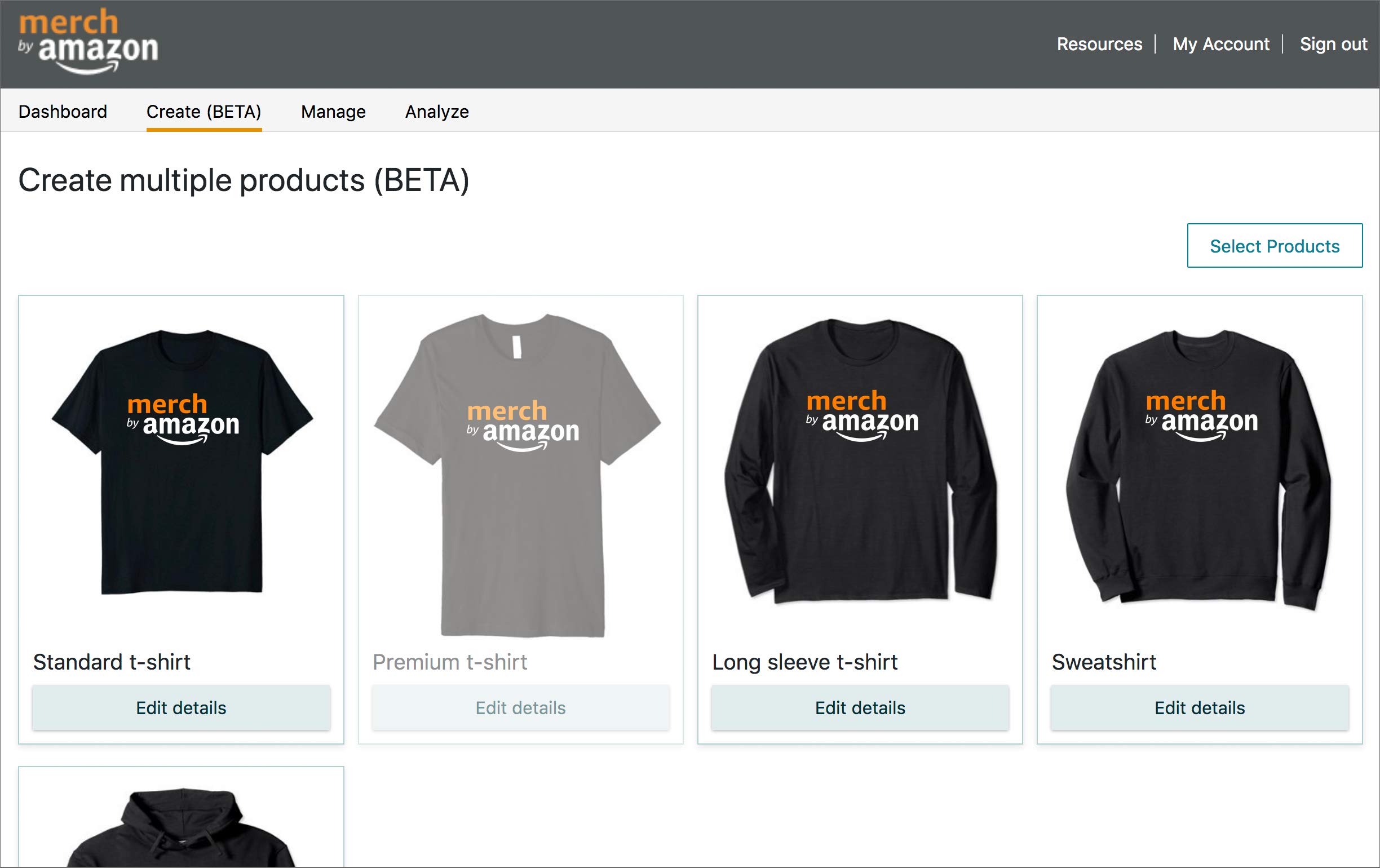
This is where real money happens.
But it’s not beginner-friendly.
Why it’s powerful:
- You’re selling on Amazon (buyers already trust it)
- High conversion rates
- Scales insanely well
Why it’s “easy” after entry:
Once you’re in and uploading consistently:
- Even basic designs can sell
- Trends move fast → opportunity everywhere
The problem:
- You need approval
- Upload limits (tiers)
- More strict policies
What works best:
- Trend hijacking (but fast execution)
- Event-based designs (holidays, viral topics)
- Clean, readable typography
Example:
Instead of:
“Funny Christmas Shirt”
Go:
“Introverts Against Christmas Parties”
Specific always wins.
start here: https://merch.amazon.com/
4. Etsy + Printify — Best for Control (Not Passive)

This one is different.
It’s not a marketplace—it’s a storefront.
Why it works:
- Buyers are willing to pay more
- You control branding
- Less competition per listing
Why it’s not “easy” at first:
- You need SEO knowledge
- Listing optimization matters
- No traffic = no sales
When it becomes powerful:
Once you understand Etsy SEO:
- You can rank consistently
- You can build repeat buyers
Winning approach:
- Focus on micro-niches
- Create collections, not random designs
Example:
Instead of:
- Random funny shirts
Build:
- “Burnout Corporate Humor Collection”
- “Nihilist Animal Series”
Now you look like a brand, not a spam uploader.
5. Spreadshirt — Underrated but Quietly Profitable

Most people ignore this one. That’s exactly why it works.
Why it’s easier than you think:
- Less competition
- Built-in marketplace traffic
- Decent margins
What sells here:
- Classic humor
- Family-friendly designs
- Simple text-based graphics
Not edgy. Not niche-deep. Just broad appeal done well.
Strategy:
Use this as a secondary platform:
- Upload your existing designs
- Slightly tweak titles and keywords
It’s low effort, extra income.
start from here https://www.spreadshirt.com/
6. TikTok + POD (The Wild Card)

Not a platform—but this is where things are shifting in 2026.
What’s happening:
People are skipping marketplaces and going:
- TikTok → product → sale
Why it’s “easy” (if you get it):
- One viral video = instant sales
- No need for thousands of designs
What works:
- Show the design idea, not just the product
- Relatable hooks:
- “This shirt is for people who hate everyone at work”
Example:
Turn a design into content:
- Idea → sketch → final shirt
Now you’re not just selling—you’re storytelling.
So… Which Platform Should You Start With?
If you want the fastest path to your first sale:
Start here:
- TeePublic (fast validation)
- Redbubble (long-term stacking)
Then move to:
3. Amazon Merch (for scaling)
4. Etsy (for branding + higher profits)
Optional:
- Spreadshirt (extra passive income)
- TikTok (if you want explosive growth)
The Real Secret (No One Tells You)
It’s not the platform.
It’s this:
Most people upload designs. Very few build ideas that people identify with.
Winning designs in 2026 are:
- Identity-driven
- Emotionally relatable
- Slightly edgy or self-aware
Not:
- Pretty
- Complex
- “Creative for the sake of it”
Final Takeaway
If you’re serious about making money with POD, stop chasing platforms and start thinking like this:
- What does someone want to say about themselves with this shirt?
- What inside joke can you turn into a design?
- What niche feels “seen” when they read your text?
Pick 1–2 platforms. Go deep. Upload consistently.
And most importantly—stop making generic designs.
That’s the real reason most POD stores never make a single sale.
Discover more from Side Hustles Online
Subscribe to get the latest posts sent to your email.


+ There are no comments
Add yours